
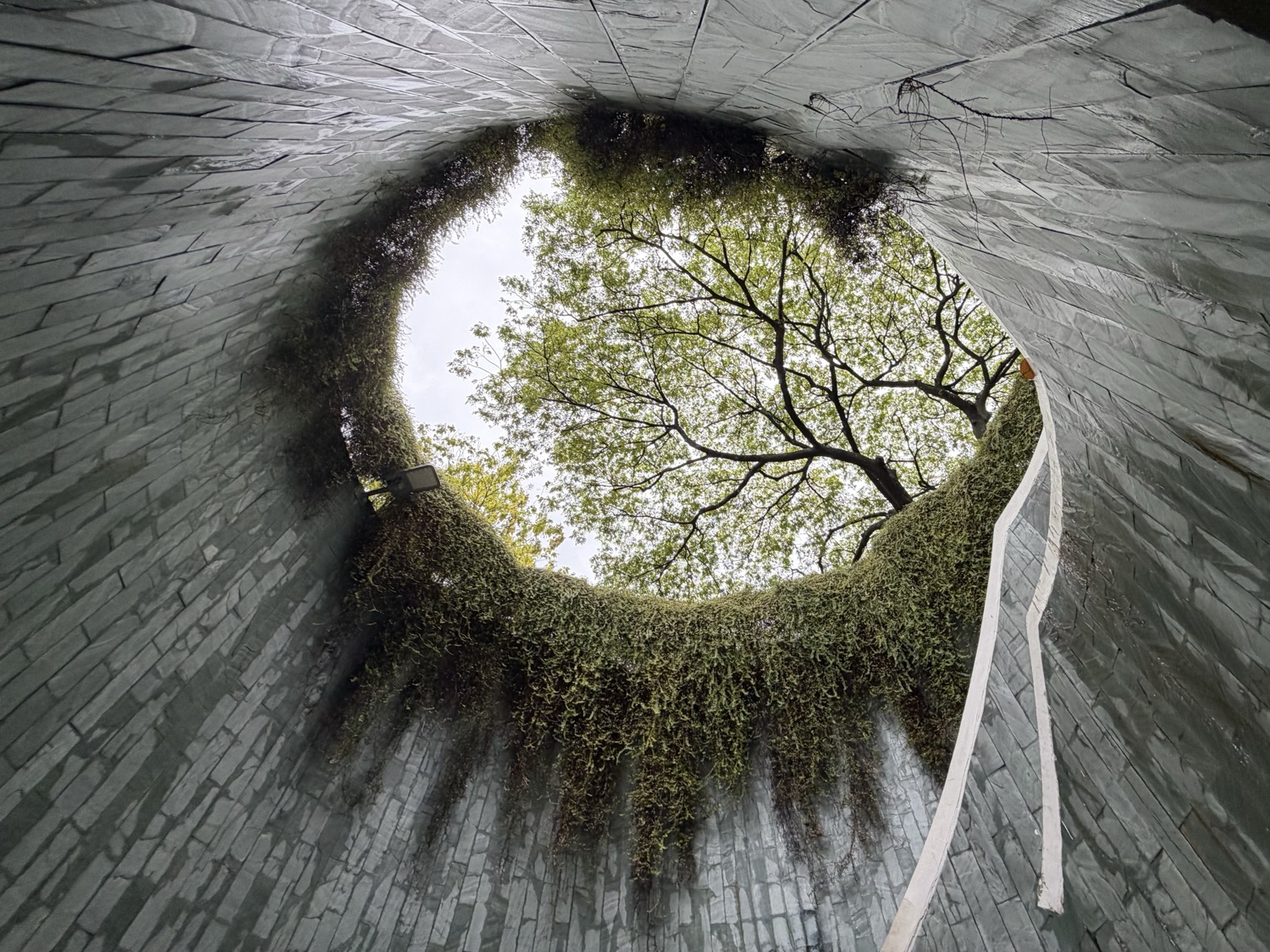
Ultra-modern, impeccably organized, and incredibly multicultural, Singapore is a city like no other. In this small Southeast Asian city-state, Chinese, Malay, and Indian traditions coexist in the heart of a futuristic metropolis.
Renowned for its almost perfect efficiency, the city inspires as much admiration as it does curiosity.
So I arrived with high expectations… but it took me a few days to truly understand its charm. If you’re planning to visit, here is the itinerary I recommend for discovering Singapore in 4 days.


Overview
- DAY 1 – First Glimpse of Singapore’s Essentials
- DAY 2 – Coast, Multicultural Neighborhoods, and Colorful Shophouses
- DAY 3 – Nature Escape and Panoramic Views
- DAY 4 – Colonial Heritage and Contemporary Art
My Favorites
If your time is limited, I’ve listed my favorite spots in Singapore below, which can be spread over 2 to 4 days:
- Singapore Botanic Gardens: a green oasis with fascinating biodiversity (free);
- Singapore City Gallery: a museum on the city-state’s urban development (free);
- Pinnacle@Duxton: a magnificent rooftop at a low price (6 SGD);
- Atlas: an art-deco bar not to be missed, even without ordering anything;
- Supertree Grove & fountains: around Marina Bay, these two spots are particularly beautiful in the evening for the light shows (free);
- Joo Chiat: a neighborhood with beautiful shophouses, significantly less touristy than Chinatown;
- Lau Pa Sat: a very touristy Hawker Center but where prices remain reasonable in a beautiful setting.
The details of each of these visits are included in the day-by-day itinerary below.


4-Day Singapore Itinerary
DAY 1 – First Glimpse of Singapore’s Essentials
UNESCO World Heritage Green Wonder
Take advantage of the morning, generally less rainy, for a healthy dose of greenery at the magnificent Singapore Botanic Gardens (mostly free). Believe me, it’s the most beautiful botanical garden I’ve discovered so far. Its UNESCO World Heritage listing is well deserved. Don’t miss:
- the Learning Forest and its suspended boardwalk above the canopy;
- Ginger Garden with its beautiful flowers;
- the small SBG Heritage Museum, which traces its history and, along the way, an important facet of Singapore’s own story.
Lunch and Stroll in Chinatown
Next, head to Chinatown. It’s a chance to admire beautiful examples of shophouses, those typical traditional houses, and wander through a maze of alleyways where Hindu temples, Buddhist temples, and mosques coexist. It’s also time to refuel at a Hawker Center, the beating heart of local gastronomy. I recommend the magnificent and very touristy Lau Pa Sat. If an excess of tourists gives you hives, try Amoy Street Food Center, which is more authentic.
Dive into Singaporean Urban Planning
In the afternoon, dive into the urban planning challenges of the city-state at the Singapore City Gallery. This free visit is fascinating: giant models, interactive projections, and clear explanations will help you understand how Singapore became such an innovative metropolis in just a few decades.
Lively Quays and Iconic Lights
Then, stroll along the banks of the Singapore River. From Robertson Quay to Boat Quay, passing through Clarke Quay, where several dining options are available. End your day beautifully by wandering around the city’s icons: Gardens by the Bay (free), where you can admire the iconic Supertrees, and the gigantic Marina Bay Sands. If timing allows, settle in to watch one of the light shows at the Supertrees (7:45 PM and 8:45 PM) or the fountains at Marina Bay (8 PM and 9 PM).


DAY 2 – Coast, Multicultural Neighborhoods, and Colorful Shophouses
Sea Breeze by Bike
Take the MRT to Bayshore. From there, you can reach East Park, a charming spot to cycle along the coast. The beaches and piers allow for a pleasant time. The view of the cargo ships gives an idea of Singapore’s port importance.
Multicultural Immersion
Then head back inland towards the beautiful Hindu temple Sri Senpaga Vinayagar Temple, which provides a transition to Joo Chiat, a Chinese neighborhood far less touristy than Chinatown. Its shophouses are at least as beautiful, and it’s a great opportunity to find an excellent restaurant. I stopped right in front of the temple at Padma Veg Restaurant, which I recommend.
Continue by bike or bus to reach Little India with its many temples and the Mustafa Centre shopping mall. This giant bazaar contrasts with the usual malls and seems very popular for stocking up on supplies at low prices. For a cultural break, the Indian Heritage Center looked interesting, even though I didn’t take the time to visit. Don’t miss the Abdul Gafoor Mosque, which provides the transition to the Arab Quarter. This area is centered around the imposing Masjid Sultan.
Evening in Gotham City
End this busy day with a drink at the Atlas bar. Its art deco architecture and unique setting, worthy of Gotham City, make it a truly unique place. Even without ordering, it’s possible to take a quick look around.


DAY 3 – Nature Escape and Panoramic Views
This is the sporty day! Save it for a day with good weather and bring provisions.
Start with a Hike
Set off to conquer the TreeTop Walk (free), a suspension bridge that offers stunning views of the canopy. The hike, starting from MacRitchie Reservoir, will then take you to the island’s summit, Bukit Timah, which peaks at 163 meters before descending towards the Hillview MRT station. The GPX track for the route is available here (distance: 14.3 km, positive elevation gain: 394 m, negative elevation gain: 374 m).
Continue with Some Cycling
Upon arrival at the MRT station, you have several options:
- If it’s not too late, rent a bike to head back south via the Rail Corridor. This green corridor follows an old railway line. Some elements are still visible, including the Bukit Timah Railway Station.
- It’s also possible to take a bus to the Kranji War Memorial, a beautiful WWII cemetery. The Rail Corridor starts not far from there, and although it’s possible to cross the island (which I attempted), several sections of it were closed. Moreover, the northern part was clearly the least interesting.
- Otherwise, if you’ve had enough exercise or if time is short, head back via public transport.
Historic Housing Estate (and no, no swimming to complete the triathlon)
My goal was to reach Tiong Bahru Market, but since a large part of the southern section of the Rail Corridor was closed, I resorted to public transport to cover the last few kilometers. This very authentic hawker center is part of Singapore’s oldest public housing estate, which gives it a certain charm. After refueling there, if you still have energy, make a detour to Faber Park and the Henderson Waves Bridge, Singapore’s highest pedestrian bridge. These last two places caught my eye, but I didn’t have time to explore them.
Breathtaking Views for Sunset
Finally, for sunset, treat yourself to a breathtaking view from the rooftop of Pinnacle@Duxton. For just 6 Singapore dollars, you access the longest rooftop garden in the world, located on the 50th floor of a public housing block. It’s six times cheaper than Marina Bay Sands and the atmosphere is infinitely more peaceful. At the end of the day, I was the hundredth visitor. The only downside for some is that you can’t see Marina Bay Sands from the terrace.
To buy your ticket, go to the ground floor of building G, the southernmost of the complex (the Google location is correct). A machine is located on level 1 (the lowest). The machine requires a phone number, but I typed a random number starting with 1 and it worked. Once you have the QR code, simply take the elevators A or B which go to the 50th floor. Up there, a turnstile allows you to scan your code to access the terrace.
To go back down, simply return to the same gate. I had read in some comments that you needed to scan your code to exit, but personally I didn’t need to.


DAY 4 – Colonial Heritage and Contemporary Art
Today, a dive into the past. Start with a visit to Fort Canning, a historic hill that was the headquarters of the British army. Immerse yourself in Singapore’s history during WWII by visiting the Battlebox (remember to book the day before; it’s free but mandatory).
In the afternoon, explore the area of colonial buildings such as the Victoria Concert Hall, St. Andrew’s Cathedral, and the building that once housed City Hall and the Supreme Court, now converted into a museum: National Gallery Singapore. Even if the permanent exhibition didn’t necessarily excite me, the temporary exhibitions were particularly original. The building itself and its rooftop terrace, accessible for free, are worth the detour.


I couldn’t visit the Artscience Museum, which tempted me, due to lack of tickets. So remember to book them in advance. Finally, for a change from museums, you could also spend the afternoon discovering the Kampong Glam district or a shopping session on Orchard Road, not missing Emerald Hill with its beautiful shophouses.


Practical Tips
Money
The currency is the Singapore dollar, with the current exchange rate roughly 1 SGD = 0.66 EUR. Although cards are widely accepted, I had to pay in cash a few times for food at some hawker centers. Maybank did not charge withdrawal fees and allowed me to withdraw money in 10 SGD increments.
Budget for 4 Days in Singapore
Singapore has a reputation for being an expensive city, but that’s not entirely accurate compared to other world capitals. Certainly, it’s more expensive than its neighbors, but it’s entirely possible to travel here on a reasonable budget. By sleeping in a hostel on the Little India side, I paid 35 SGD per night, including breakfast.
For food, hawker centers are your best allies: expect to pay 6 to 10 SGD for a dish. For sightseeing, many are free: most areas of the Botanic Gardens, the Singapore City Gallery, the Gardens by the Bay (the outdoors and the fountain show), and of course wandering through the neighborhoods. A peek into the Atlas bar is free, and the rooftop at Pinnacle@Duxton costs only 6 SGD. Public transport and bike rentals are also very affordable. Adding a few paid visits like the National Gallery and a drink at Cé La Vie (which I don’t particularly recommend), I spent an average of 45 euros per day.
Duration
If you’ve come this far, I recommend spending at least two full days on the ground to see the essentials. But to truly enjoy the atmosphere and discover the neighborhoods in depth, I advise staying in Singapore for at least 4 days. This matches this itinerary perfectly.
Weather and Recommended Season
Does it rain in Singapore? That’s a rhetorical question. The answer is yes, and often! During my visit in February, considered a less rainy month, I had four out of five days where it rained for more than five hours a day. It seems that rain tends to fall in the afternoon, so it’s advisable to prioritize outdoor activities in the morning and indoor visits in the afternoon. Being forewarned makes it easy to organize your schedule. Don’t forget your umbrella; it’s not optional and is a lifesaver. Many hotels lend them, and some outdoor public places even provide umbrellas at the entrance. Remember to put them back when you leave! It seems there are no truly ideal months to visit Singapore, but the least rainy months seem to stretch from February to April, and from July to September.
Transportation
The MRT (subway) and bus network is very cheap and extremely efficient. Google Maps works very well for identifying the best connections. To pay, simply tap your contactless credit card (Visa, Mastercard) or your phone (Apple Pay or others) on the reader at entry and exit. The price, depending on distance, is deducted at the end of the day. I never spent more than 3 SGD per trip.
For more freedom, self-service bikes are available all over the island. I used the Hello Ride app, which allows you to pay only for what you use: 1 SGD for the first 30 minutes, then 0.50 SGD per additional 10-minute block. Bikes must be returned to designated parking areas, where a QR code confirms proper parking.
Where to go after these 4 days in Singapore
After these 4 days in Singapore, this extremely well-connected aviation hub allows you easy access to the rest of Southeast Asia. For megacity enthusiasts, I recommend visiting Hong Kong, about which I’ve also written an article: Hong Kong 4 days: hikes and city – Intensive itinerary.
Leave a Reply